
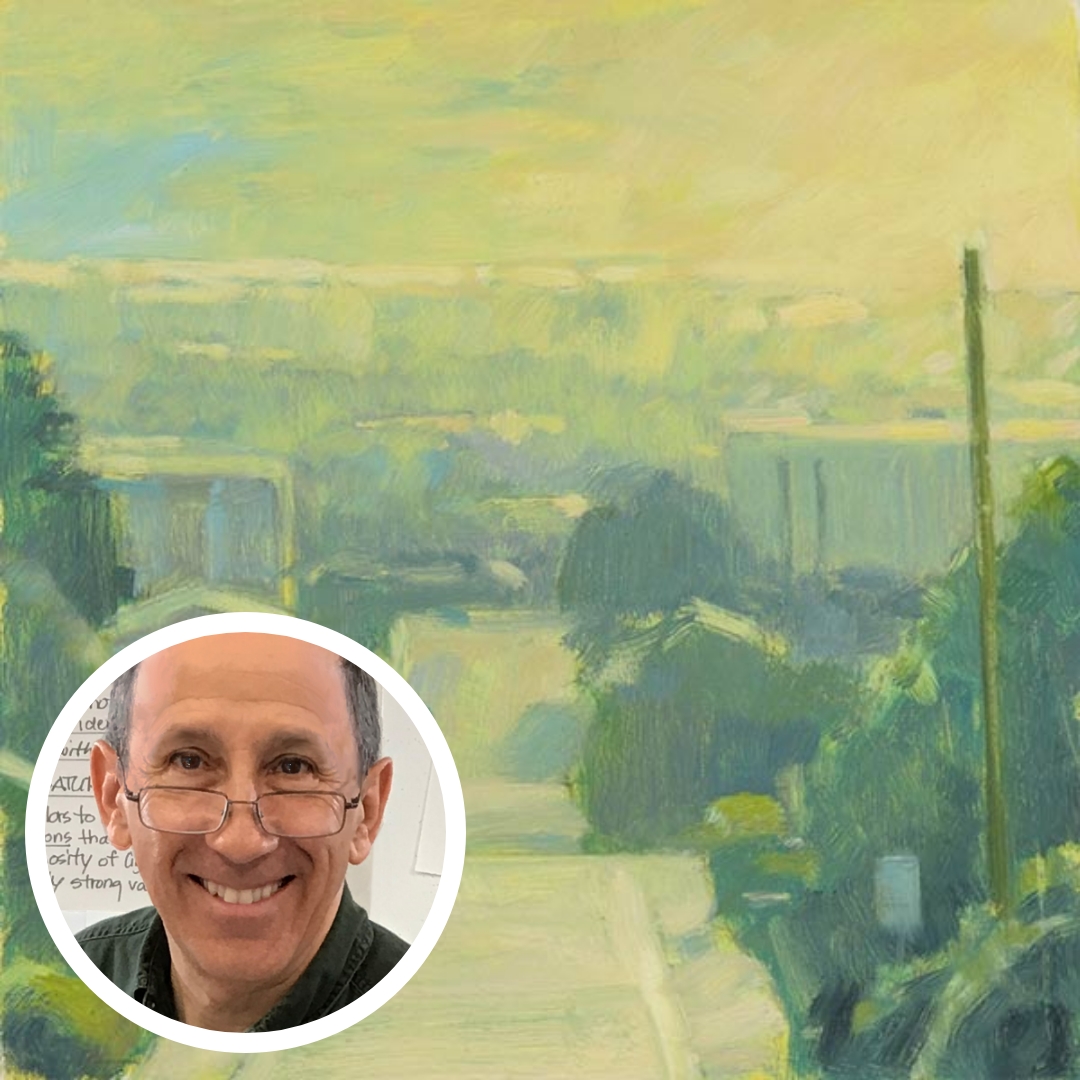
LIVE ONLINE WORKSHOP
The Power of Limits: Building Landscape Harmony with Color Grouping and Dominance
with Mitchell Albala, Master Artist & Mentor
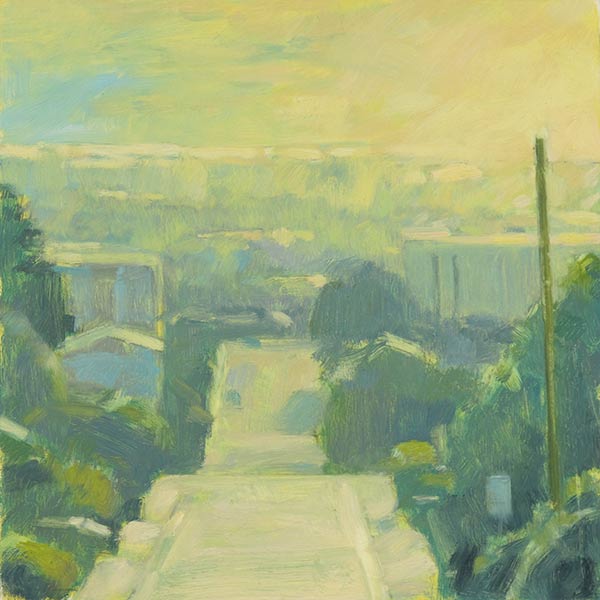
Create stronger, more harmonious landscapes with a true “less is more” approach to the color strategy
How narrowing your color options leads to more harmonious color strategies
How color grouping organizes colors without limiting variety
How color dominance allows one color family to rule
the composition while others support it
Audience: Fine Art Painters
Mediums: Acrylic, Gouache, Oil, Pastel, Watercolor (Mitchell will demonstrate in oil and pastel.)
Stage: Emerging, Accomplished
Session Dates & Times:
Friday
Jan 23rd, Feb 6th, Feb 20th, March 6th
10:00 am – 12:15 pm MT
$411.00
8 in stock
WORKSHOP Description
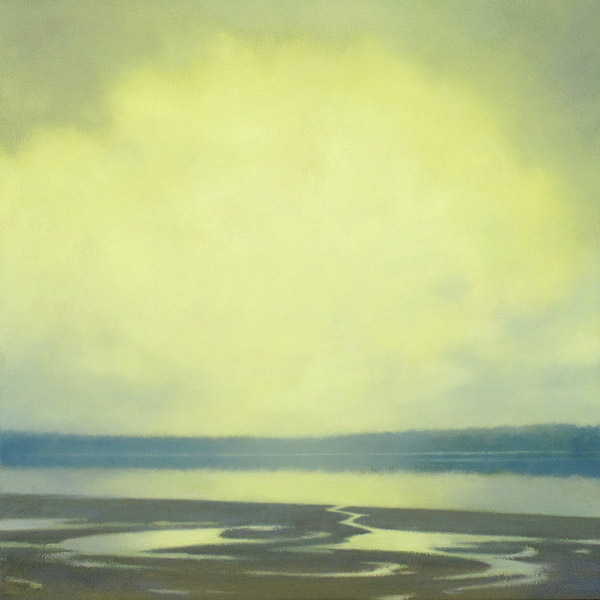
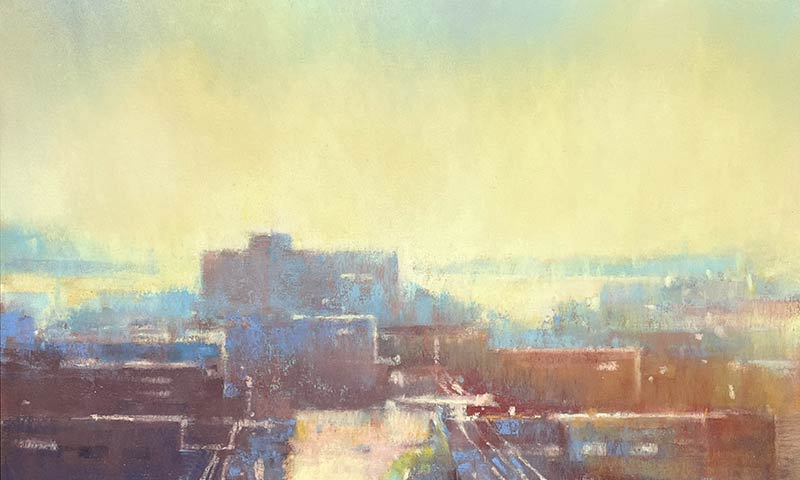
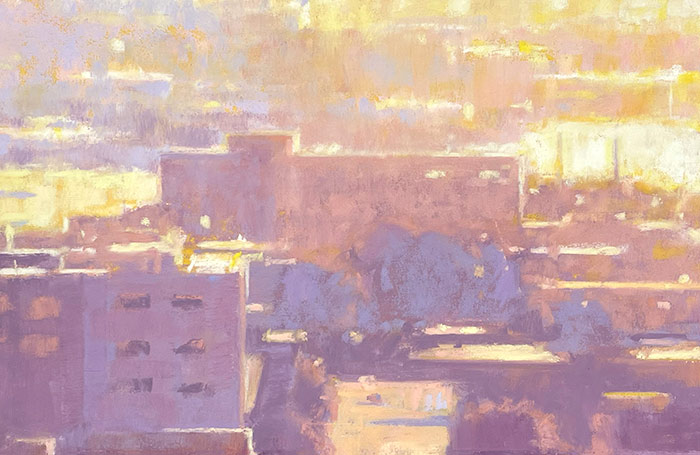
One of the landscape painter’s greatest challenges is capturing the light and harmony of the natural world. The solution isn’t using more colors—it’s using fewer. In this class, you’ll learn how narrowing your options leads to more harmonious color strategies. Rather than use colors from across the entire spectrum, color grouping organizes colors into a limited number of families or groups. This doesn’t limit the number or variety of colors you may use—it only asks that they fall within the designated families. Color dominance takes grouping a step further, proposing that one of those color families should dominate or “rule” the composition, with the others playing supporting roles. You’ll also learn how to organize a palette that directly supports grouping and dominance.
Through demonstrations, painting exercises, weekly reviews, and analysis of masterworks, you’ll discover a true “less is more” approach that will help you build color strategies that are both easier to manage and more cohesive.
🎥 WORKSHOP RECORDINGS available for 1-MONTH after the course ends!
High School, University, and College students get 20% OFF. See FAQs at the bottom of page.
Supply List
You can work in any medium you prefer in this class. So this list focuses on colors, surfaces and
brushes. If there are any special supplies you need to work with your particular media, that are
not mentioned here, please have it on hand it.
Pastel, acrylic or watercolor painters, see notes at end of supply list.
PHOTO REFERENCE MATERIAL
We will be working from photographs in this workshop. I have a large collection of landscape
photos, but you are welcome to use your own. For tips for selecting photos, visit this page at
my website. https://mitchalbala.com/guidelines-photos/
BRUSHES
Use whatever brushes you typically work with in your medium. If you would like some advice
on brushes …
For oil painters … a range of hog bristle brushes are best.
For acrylic painters … soft bristled synthetic brushes are preferred. (Some synthetic brush-
es are strictly for acrylics, while others are rated for both acrylics and oils.)
For watercolor painters … your usual watercolor brushes
COLORS
The palette I recommend is the “split primaries” palette, which is outlined at my blog.
https://mitchalbala.com/split-primaries-landscape-painting-palette/
It offers a cool and warm variety of each of the primaries, as well as a few helpful secondary
colors and neutrals. Appropriate for oil, acrylic, gouaches, and watercolor. If there are any other
colors that you really like, and have worked for you in the past, certainly have those on hand,
as well.
PAINTING SURFACES
I recommend it working on whatever surface you are most comfortable with. None of our paint-
ings will be large, just 8″ x 10″ to 9″ x 12”. Slightly larger only if you are very comfortable
and used to working larger. Do not pre-tone surfaces.
ADDITIONAL SUPPLIES
Palette knife, metal, essential for mixing! The diamond shaped heads are better than the long
flat ones. The blade is approximately 2″ and flexible.
Old knives with caked up paint will not work for our
purposes
Disposable Vinyl Gloves or equivalent. Can be found
in most pharmacies or hardware stores. Test fit for size
before you buy. Reusable and good for other classes.
Painting Medium:
for oil: Gamblin’s Solvent-Free Gel
Solvent (for oil) – “Gamsol” by Gamblin is the only sol-
vent you should be using, as it’s the safest.
Color Wheel – you do not necessarily need a physical, store-bought color wheel. A color wheel
app on your mobile device will work just as well.
SPECIAL NOTES FOR PASTEL PAINTERS
FOR PASTEL PAINTERS
Paper – I recommend sanded papers that allow you to rework/reapply pastel. If you’ve got
some other paper in mind, let me know.
Color/tone – Steer clear of the strongly colored papers like black or terra cotta. Use white
of the light beige/buff colors that many brands offer. Why? Because in this approach to
color, it’s important that you decide what the best undertone color is for each particular
painting, and not be bossed around by a strong undertone color like black or red.
Colors – Since this is a color class you should have a wide range of colors on hand. Your
set should offer a good range of values and a range of warm and cool neutrals.
Alcohol for alcohol washes w/ brush. This is a great way to build an “underpainting” in val-
ue and shape. As you’ll see, my method of approaching color is to build color, value and
color direction as early as possible.
SPECIAL NOTES FOR ACRYLIC PAINTERS
You should know how to manage acrylic’s rapid drying time, how to blend with glazing and/or
scumbling, and have a Sta-Wet palette and know how to use it. (There won’t be enough time
for me to give special instruction on how to work with different media.)
• fine mist spray atomizer
• retarder
• acrylic medium of your choice; e.g., matte medium
SPECIAL NOTES FOR WATERCOLOR PAINTERS
Please use your usual set of supplies. The only item I can think of that you may want to up-
grade: your palette should be the type that has several good-sized wells, so you can mix up
a bath of color that you can repeatedly dip into.
Instructor Bio
Mitchell Albala is a highly respected painter, workshop instructor, and author. His semi-abstract and atmospheric landscapes have been exhibited nationally and are represented in corporate and private collections.
He is the author of two best-selling books on landscape painting: “Landscape Painting: Essential Concepts and Techniques for Plein Air and Studio Practice” (Watson-Guptill, 2009), with over 60,000 copies in print; and “The Landscape Painter’s Workbook: Essential Studies in Shape, Composition, and Color” (Rockport Publishers, 2022), which is currently the #1 selling book on landscape in the nation. Mitchell has led plein air workshops in Italy and teaches workshops throughout the Pacific Northwest. He has lectured on Impressionism and landscape painting at the Seattle Art Museum and has written for International Artist and Artists & Illustrators magazines.
LIVE COURSE FAQ
How many registrations are required for a course to start?
A minimum of 8 registrations are required. If 8 registrations are not received by the time the course is 24 hours from starting, the course will be cancelled and all registrants will receive complete refunds.
What is the maximum number of people in a course?
This varies for each course. The maximum number of registrations is decided by the instructor.
Can I get a refund?
Up until 72 hours before a course’s first session you can receive a complete refund. You can cancel your registration via the My Account portal, or by contacting Registrations@Mastrius.com.
After this time no refunds will be given (if you have extenuating circumstances you believe justify a refund, contact us at Registrations@Mastrius.com).
Can I register for a course already in progress?
No. Once a course has started, no new registrations are accepted.
Where will my course be held?
All courses meet online over Zoom. You will need a device equipped with a camera and a microphone to fully participate.
If you have not used Zoom before, learn about how to use it here.
If you don’t regularly use Zoom, we recommend you join your first session 10-15 minutes early in case your computer needs to install or update Zoom.
How do I join my course?
You will receive a welcome email from Registrations@Mastrius.com when you register. This email includes the Zoom link to join your course session. You will also receive 24 hour and 2 hour reminder emails before each session, and each of these emails includes the Zoom link. You can also access the Zoom link to join your course in your MastriusChat group.
Are the sessions recorded?
Yes, every session is recorded and are typically available 24 hours after a session ends. All session recordings will remain available for the duration of the course, and for one month following the last session. The recordings are viewable within the MastriusChat platform, and cannot be downloaded.
What if I miss a session?
You’ll be able to watch the session’s recording. If you have questions the recording doesn’t address, you can ask them in the chat feed of your course’s private MastriusChat group.
What is MastriusChat?
MastriusChat is an online discussion platform. You and your fellow course registrants will be assigned to a private MastriusChat group where you can connect and support eachother via the chat “feed”. Your group is also where you’ll access the session recordings. Other resources in your MastriusChat group include a link to join your course sessions, and a library your instructor can use to share resources.
What is a Navigator?
A Navigator is an artist who joins your course to ensure both instructor and registrants have an enjoyable experience. They support (as required) with technology, timekeeping, moderating questions, and between-session discussions on MastriusChat. The Navigator has also joined the course as participant, and just like you, they’re wanting to grow their skills and learn the material.
I’m not ready to register because I still have questions. Who do I contact?
We’d be happy to help!
Reach out to us at Mastrius@Mastrius.com and we’ll do our best to support you.
Get the STUDENT DISCOUNT
High School, University, and College students get 20% off ANY course (non-member price).
To claim this discount email mastrius@mastrius.com to enroll in the Student Program.